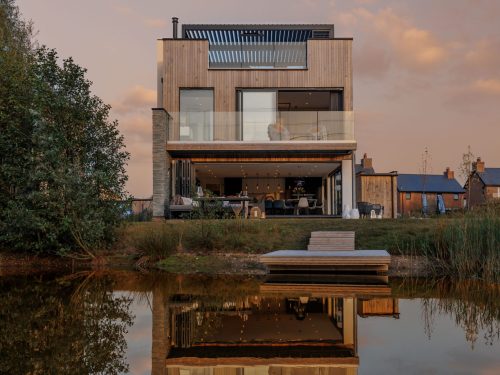
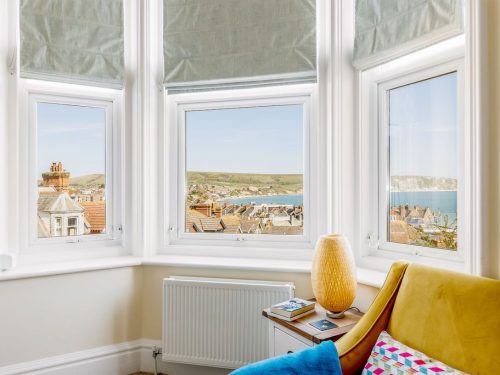
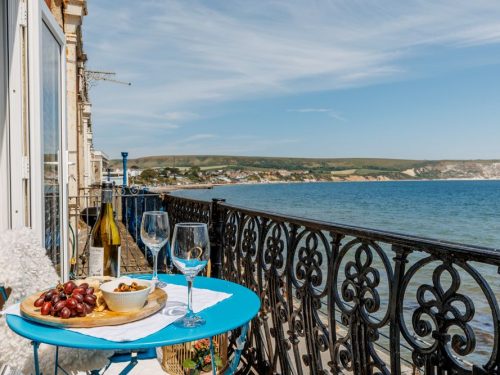
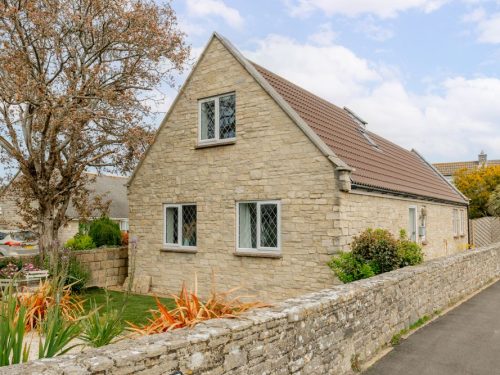
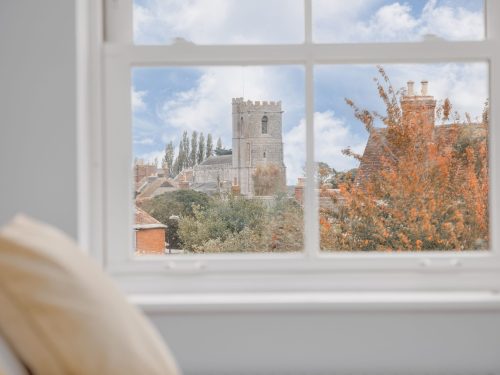
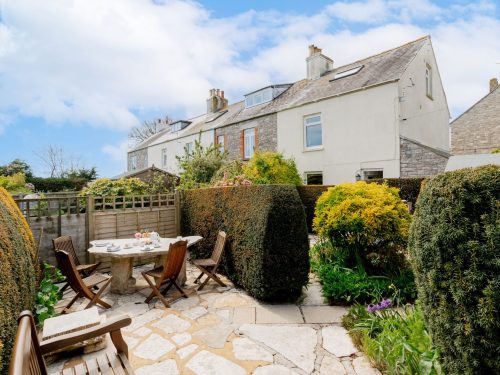
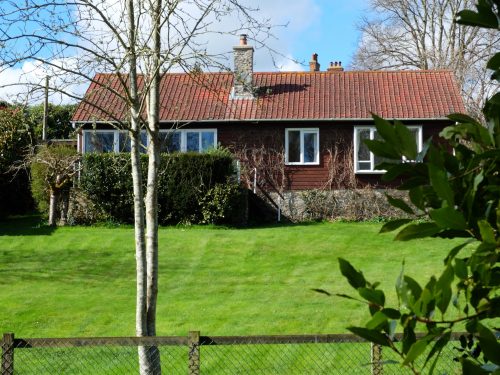
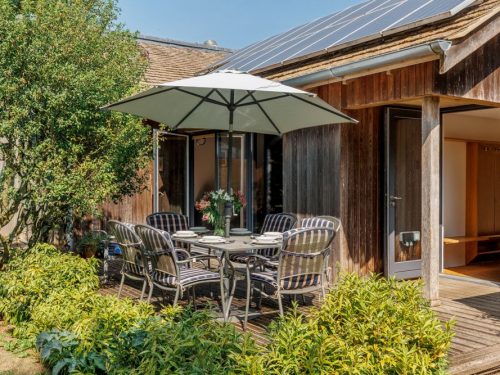
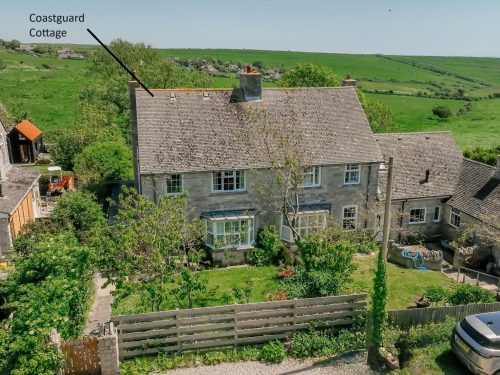
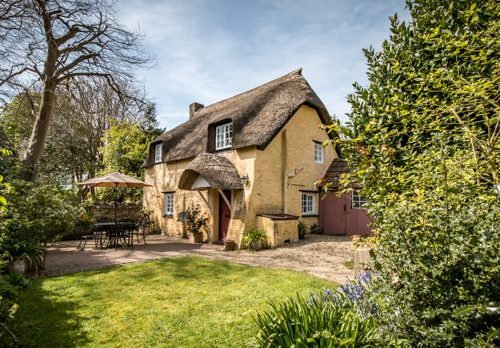
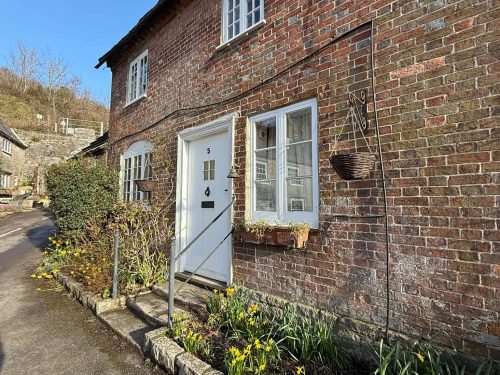
Want to stay just moments away from fossil hunting opportunities by the sea? Take a look at our collection of Dorset Coastal Cottages.
Dorset’s coastline is legendary among fossil hunters. Along the World Heritage–listed Jurassic Coast, cliffs and beaches have preserved a wealth of prehistoric remains stretching back 150–200 million years. But when we think “dinosaur fossils Dorset,” what comes to mind is often marine reptiles, ammonites, and fossil forests rather than giant land-roaming dinosaurs. Still, Dorset has surprises to offer — and for those keen enough, the chance to unearth your own Jurassic relic.
In this guide we’ll journey through the most spectacular dinosaur and marine reptile fossils ever found in Dorset, point out the top museums and sites where they are displayed, and then show you how and where you might find your own fossil treasures (legally and responsibly). Along the way, I’ll share safety tips, seasonal advice, and fossil-hunting etiquette for the Dorset coast.
Dorset’s coastline forms part of the Jurassic Coast — a 95-mile stretch from East Devon through Dorset, designated as a UNESCO World Heritage Site in 2001. It is geologically remarkable because successive layers of Triassic, Jurassic and Cretaceous rocks are exposed in sequence, creating a literal walk through time across Earth’s deep past.
A major reason Dorset yields so many fossils is ongoing coastal erosion. Waves, rain and wind gradually wear away the cliffs, releasing fossils and depositing them on beaches and exposed rock faces. At locations such as Black Ven, huge mudslides continually bring new material to the base of the cliffs, making it one of the most productive fossil sites in the world.
Because Jurassic seas once covered what is now Dorset, most fossils found are of marine reptiles — such as ichthyosaurs, plesiosaurs and pliosaurs — as well as marine invertebrates including ammonites and belemnites. Although the phrase “dinosaur fossils Dorset” is popular, dinosaur remains on land were less likely to fossilise here, meaning true dinosaur bones are relatively rare. Nevertheless, Dorset still produces exciting surprises — and museums, coastal walks and guided hunts make it possible to explore some of the best specimens first-hand.
Here are some of the most spectacular fossil finds associated with Dorset, showcasing marine reptiles, fossil forests and unexpected discoveries.
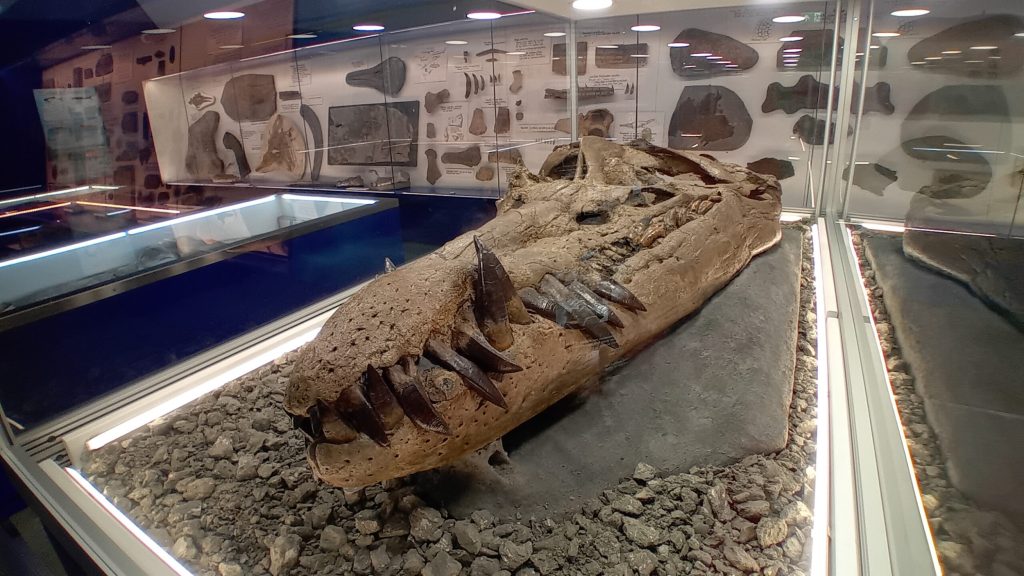
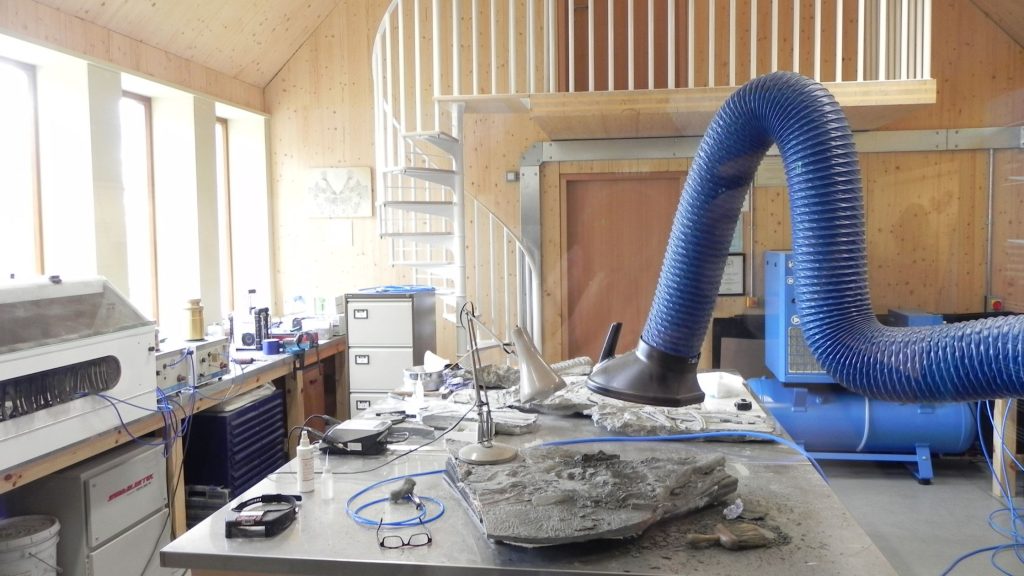
In December 2023, a fossil enthusiast discovered part of a giant pliosaur skull in shingle at Kimmeridge Bay. The skull, around two metres long and containing approximately 130 teeth, was later excavated using advanced techniques including drone surveying. It is now considered one of the most complete and impressive pliosaur skulls ever recovered from Dorset’s Jurassic seas.
The fossil is linked with The Etches Collection (Museum of Jurassic Marine Life) in Kimmeridge, which houses many remarkable finds from the local cliffs.
Not every discovery is a giant skull — but smaller finds are no less fascinating:
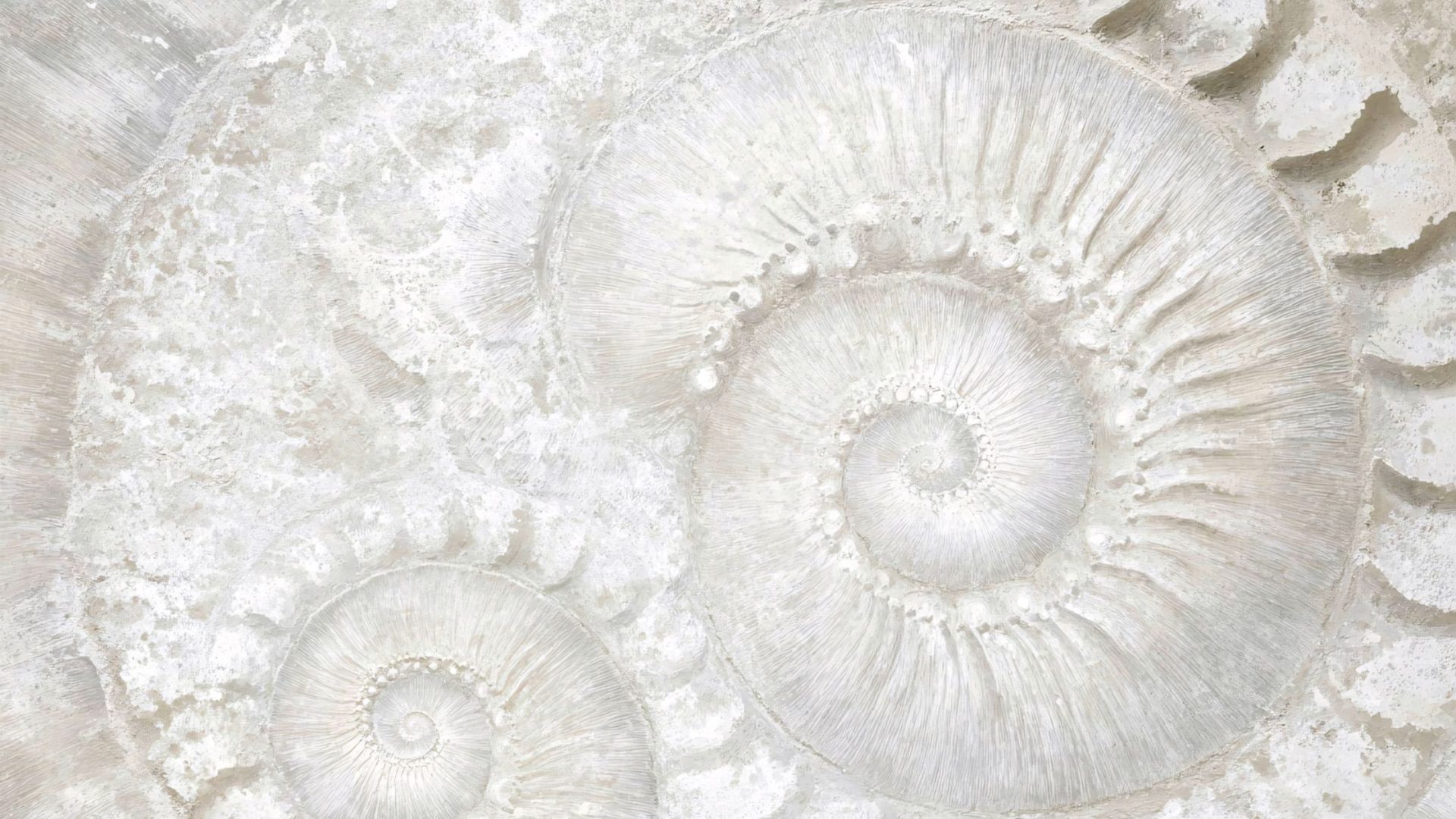
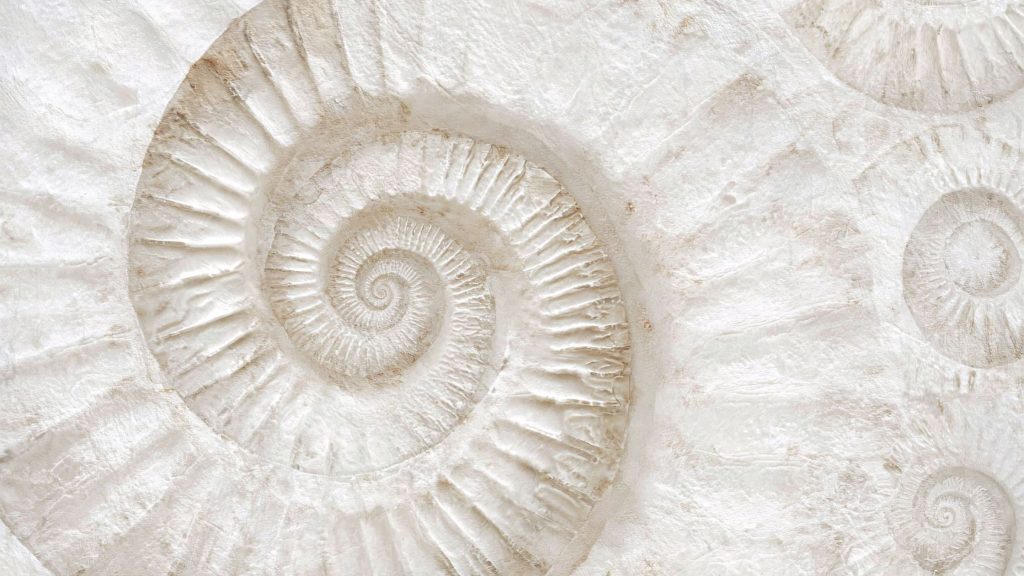
Ammonites and belemnites are the most common fossils on Dorset’s beaches.
Scelidosaurus remains were discovered in 1858 at Black Ven — one of the earliest dinosaur finds in Britain.
Gryphaea, nicknamed “devil’s toenail,” are common oyster fossils.
Ichthyosaur vertebrae are occasionally washed out and often mistaken for dinosaur bones.
On the Isle of Portland, a plesiosaur specimen was discovered in the 1960s by a teenager, Richard Cooper. Although scientific study is ongoing, new digital analysis has renewed interest in this specimen and its precise identity. It represents a key part of Dorset’s fossil heritage.
The Fossil Forest near West Lulworth preserves tree stumps, roots and woody tissue from around 145 million years ago. This extraordinary footprint of terrestrial life captures a landscape that once stood when dinosaurs roamed nearby, making it a rare example of Jurassic woodland.
In 2009, a large pliosaur skull found near Weymouth was scientifically studied and named Pliosaurus kevani. The discovery became one of Dorset’s most iconic marine reptile finds and remains a highlight in the region’s fossil record.
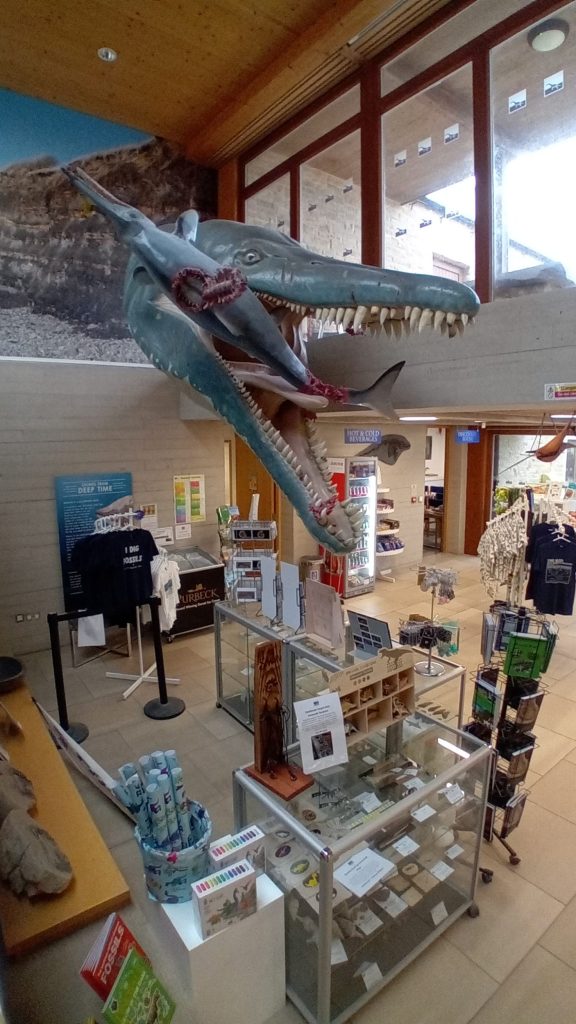
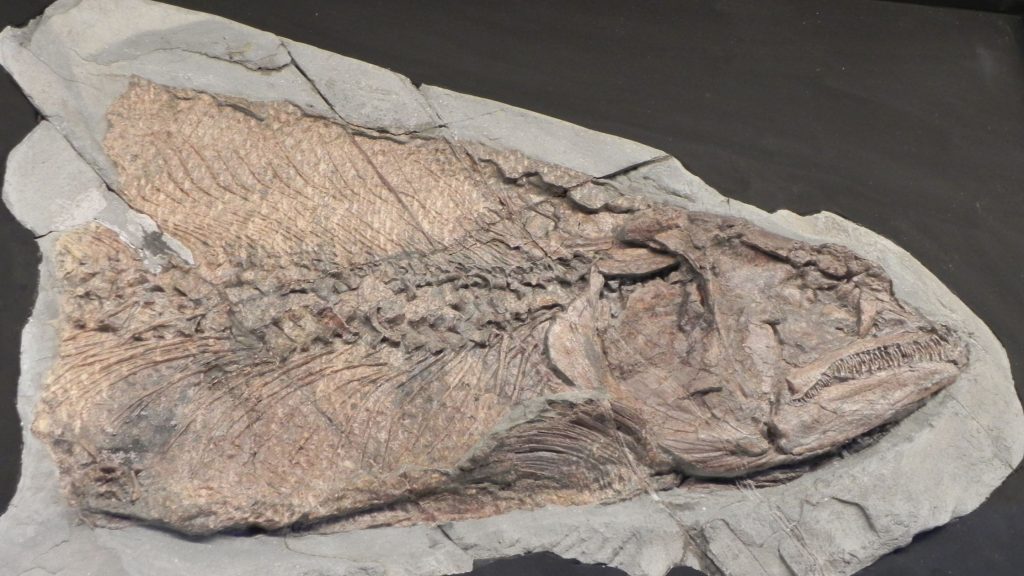
Showcasing the lifetime work of Steve Etches, this museum holds astonishing fossils collected from nearby cliffs — many within just a few miles. The displays include marine reptiles, ammonites, belemnites and soft-bodied fossils from the Late Jurassic.
The only museum in mainland Britain devoted entirely to dinosaurs. The exhibits include life-size reconstructions, fossils, casts and hands-on activities.
A privately run museum filled with local Jurassic fossils, from tiny microfossils to large ichthyosaurs and plesiosaurs. Ideal after a day fossil-hunting on the beach.
Home to displays of Jurassic Coast discoveries, including dinosaur material and the famous Weymouth Bay Pliosaur.
Features a Megalosaurus footprint and an important fossil turtle among its Jurassic exhibits.
If you want to hunt fossils in Dorset, there’s nowhere quite like the stretch between Lyme Regis and Charmouth. Start at Black Ven and The Spittles, where the cliffs are constantly collapsing under their own weight, revealing fresh treasures with every mudslide — ammonites the size of dinner plates, belemnites glittering in the shingle, and the occasional ichthyosaur vertebra waiting to be spotted by sharp eyes. Just remember: stay well back from the cliff face; this landscape is alive and always shifting.
Charmouth Beach is perfect if you’re new to the hunt, with guided walks that teach you how to “read” the beach like a detective, turning an ordinary pile of stones into an ancient marine graveyard. A short walk to Lyme Regis brings you to Monmouth Beach and the famed Ammonite Pavement, where at low tide you can stroll across rock shelves packed with fossils frozen in time. For something wilder, head to Furzy Cliff near Weymouth, where layers of Oxford Clay spill out curious finds like Gryphaea — the so-called “devil’s toenail” — and, if you’re very lucky, fragments of dinosaur.
Burton Cliff is another gamble worth taking after storms, when the sea throws up ammonites and echinoids freshly broken from the rock. And if you’re after the thrill of discovery in a more secluded setting, old quarries around Dorset still yield fossil fish, insects and other delicate Purbeck treasures — though you’ll need permission before stepping inside. Wherever you choose, check tide times, treat the cliffs with respect, and keep your eyes trained on the ground — because on Dorset’s Jurassic Coast, the ordinary stone under your boot could turn out to be 150 million years old.
Hunting fossils is part science, part treasure hunt, and part pure luck — but there are ways to tilt the odds in your favour. The best time to look is after storms or heavy seas, when the coastline has been freshly battered and new fossils have been shaken loose from the cliffs. Walk slowly and let your eyes adjust to the jumble of shapes and colours on the beach: among the pebbles you’ll begin to spot spirals, ridges and bone-like textures that give ancient secrets away. You don’t need fancy tools — a sturdy pair of gloves, a small chisel, a brush and safety goggles will do if you’re opening a loose nodule — but patience and curiosity matter far more than equipment. Fossil hunters rarely go alone, and for good reason: cliffs crumble without warning, tides turn fast, and a second pair of eyes doubles your chances of success. When you do make a discovery, take a moment to photograph it exactly where it lies and note the spot — that tiny detail could be scientifically important later. Learn to recognise the common fossils first, like ammonites and belemnites, because once your brain knows what to look for, they start appearing everywhere. And finally, take only what you can carry and leave anything large or unusual for museums or experts to assess — you might be holding something entirely new to science, and Dorset’s story is still being written with every fresh discovery.
From most common to rarest:
Ammonites and belemnites
Shells and bivalves
Gryphaea (“devil’s toenail”)
Ichthyosaur vertebrae or ribs
Small fish or shark teeth
Microfossils
Dinosaur scraps (rare)
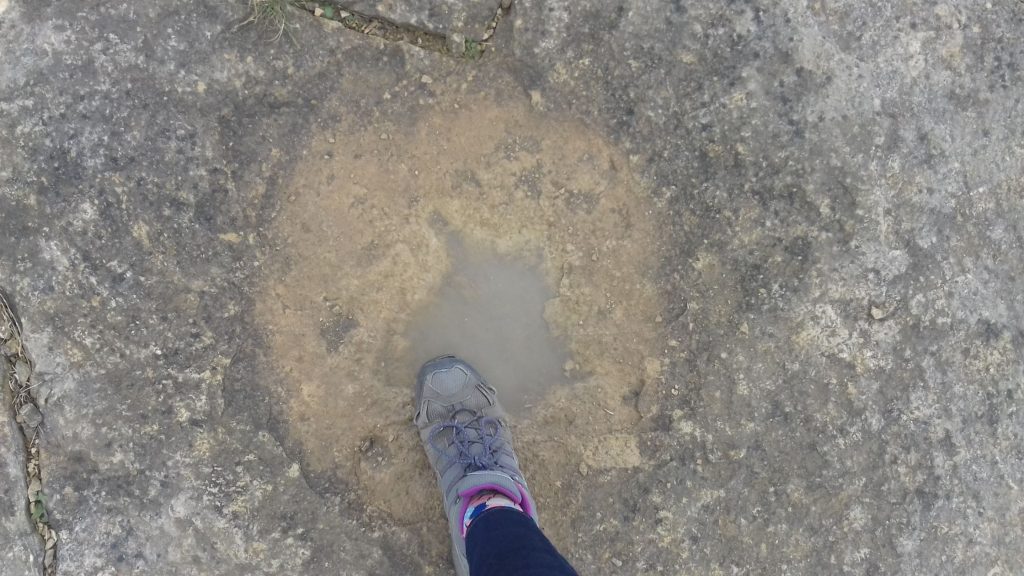
Trace fossils such as footprints or burrows
Marine reptile bones (rare but possible)
Dorset’s Jurassic Coast offers one of the richest fossil-hunting experiences in the UK, combining dramatic scenery, world-class museum collections and the chance to uncover your own prehistoric discoveries along the shoreline. Whether exploring the shifting mudslides of Black Ven, searching the Ammonite Pavement at Lyme Regis, or discovering marine reptile specimens at The Etches Collection, visitors encounter a coastline where 150-million-year-old secrets are still breaking free from the cliffs. From guided fossil walks and beginner-friendly beaches to rare pliosaur skulls and preserved fossil forests, Dorset blends scientific wonder and adventure, inviting both families and enthusiasts to step back into deep time and hold a piece of ancient history in their hands.
Want to stay just moments away from fossil hunting opportunities by the sea? Take a look at our collection of Dorset Coastal Cottages.