 01929 481547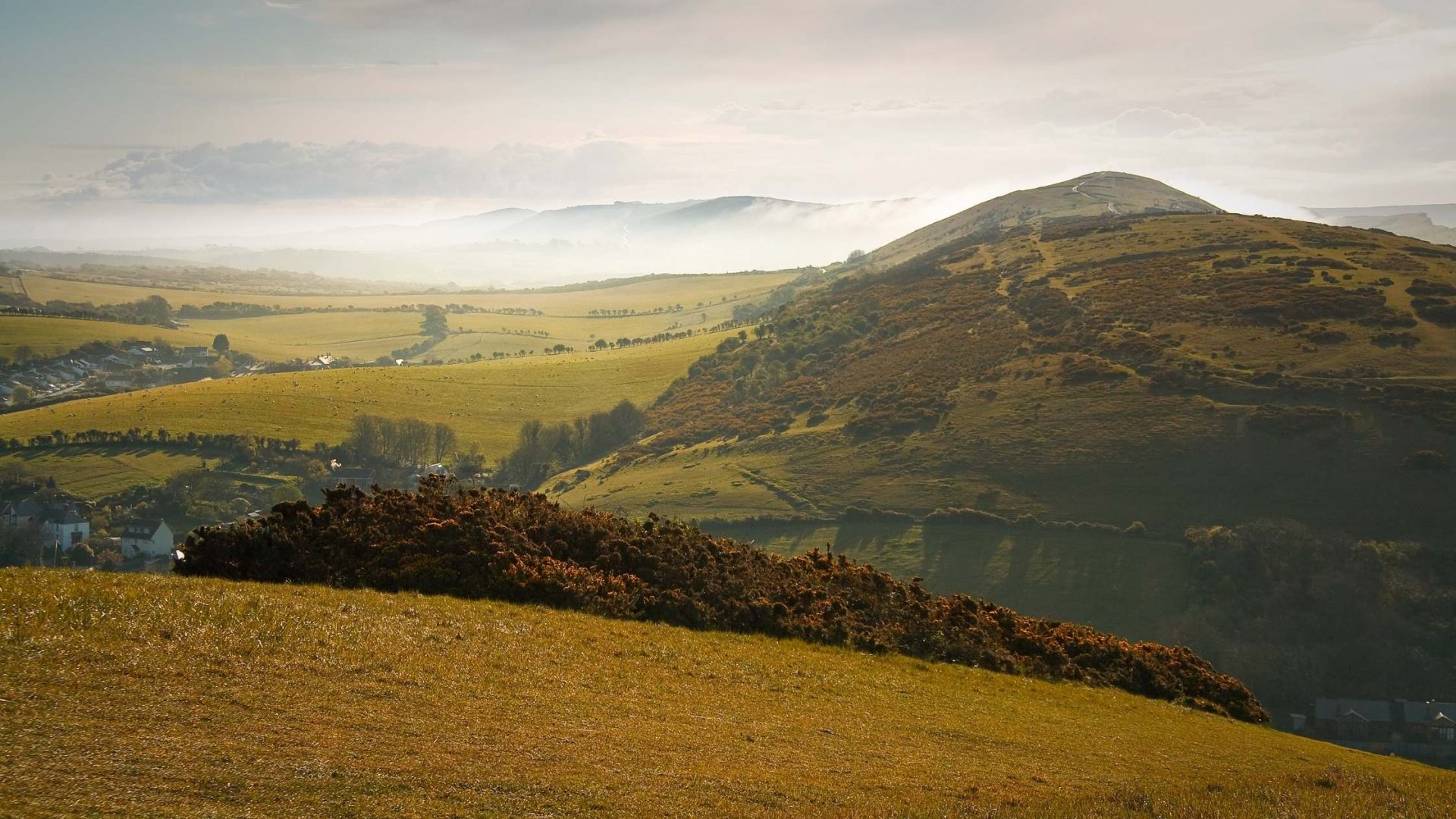






If you’ve ever stood on a wind-ruffled chalk ridge and watched the light wash across Dorset’s vales, you already know: this county is special. From the fossil-rich cliffs of the Jurassic Coast to internationally important heathlands and star-strewn night skies, Dorset AONB status has long recognised the county’s rare blend of geology, wildlife and culture. In 2023, Areas of Outstanding Natural Beauty in England and Wales adopted a new public-facing name: National Landscapes — so the Dorset AONB you love is today known as the Dorset National Landscape. The mission is the same: protect, celebrate and share a landscape of national importance.
Below, we’ll unpack what makes the Dorset national landscape so extraordinary — with facts, places, and ideas to help you explore it better (and kinder).
The Dorset National Landscape is the protected area that was designated as the Dorset AONB in 1959. It covers about 1,129 km², nearly 43% of the ceremonial county, making it one of the largest protected landscapes of its kind in the UK. Think rolling chalk downs, ancient hillforts, Purbeck’s limestone coast, the Isle of Portland’s rugged edges, and the great sweep of West Dorset’s hills — much of it stitched together by farms, hedgerows and old green lanes.
Zoom out and the picture gets even richer. Dorset is unusual in having two National Landscapes within its borders: the Dorset National Landscape and the Cranborne Chase National Landscape, which overlaps Dorset, Wiltshire, Hampshire and Somerset. Together, designated landscapes account for around half of Dorset — a remarkable share that speaks volumes about the county’s scenic and ecological value.
In November 2023, all AONBs in England and Wales adopted the National Landscapes brand to better reflect their national importance and role in tackling climate change, restoring nature and supporting wellbeing. The legal designation remains AONB, but “National Landscape” is now the name you’ll see on signage and websites.
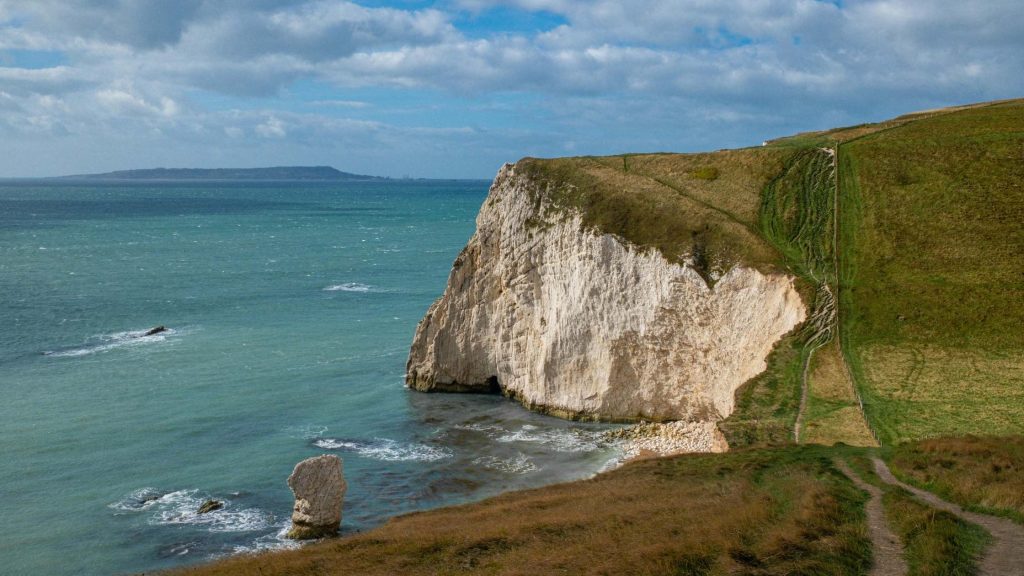
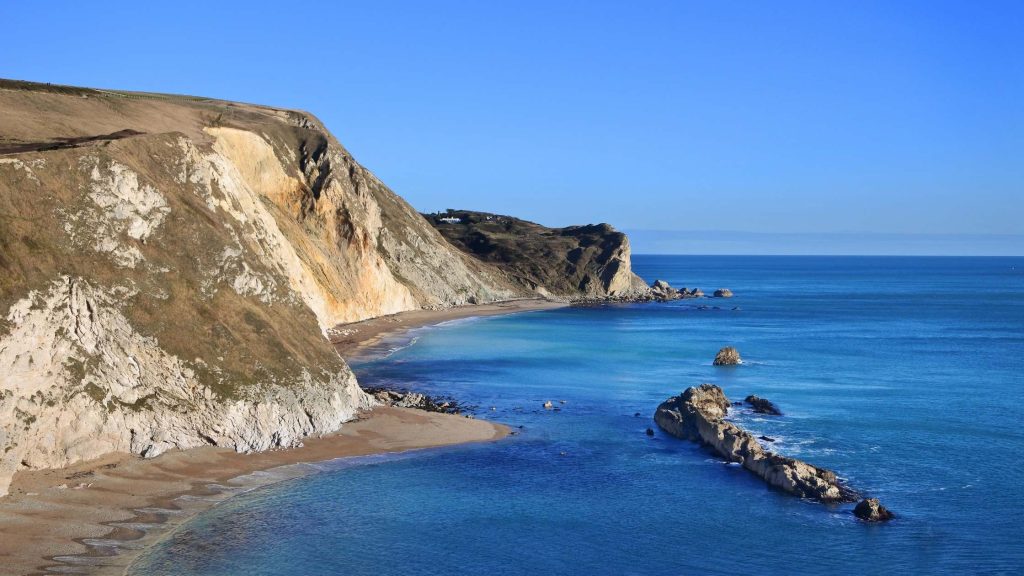
No discussion of Dorset AONB (now Dorset national landscape) can skip the headline act: the Jurassic Coast — England’s only natural UNESCO World Heritage Site. Stretching from Exmouth to Studland Bay, this 95-mile coastline exposes a near-continuous sequence of Triassic, Jurassic and Cretaceous rocks, revealing ~185 million years of Earth history. It’s globally important for fossils, coastal landforms and the story it tells about changing climates and life through deep time.
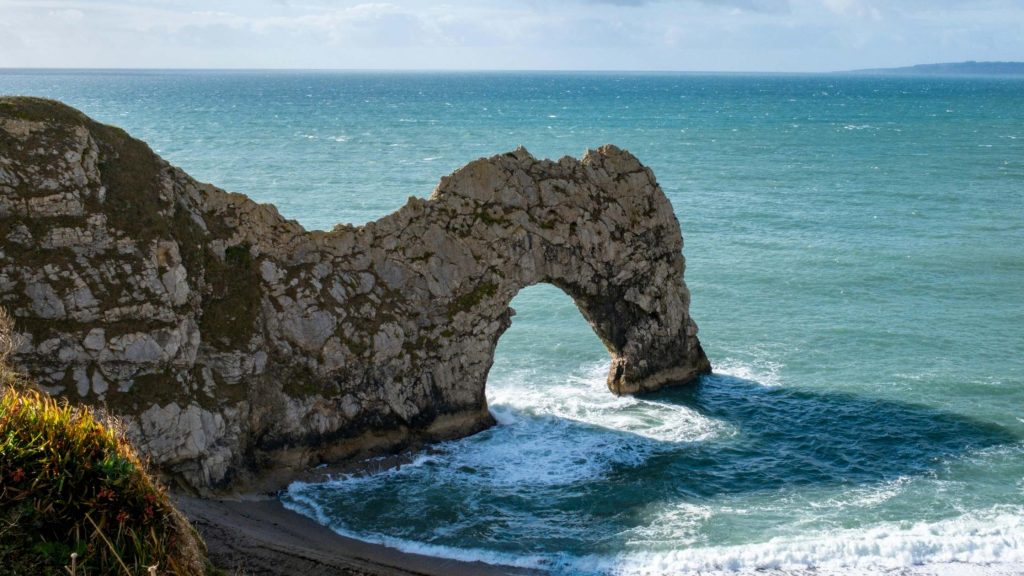
From the elegant arch of Durdle Door to the shifting pebbles of Chesil Beach and the fossil-hunting shores of Lyme Regis and Charmouth, the coast is a living classroom — erosion here isn’t an enemy; it’s the process that makes discoveries possible. Visiting responsibly (stick to paths, check tides, join guided fossil walks) helps conserve this fragile, world-class resource.
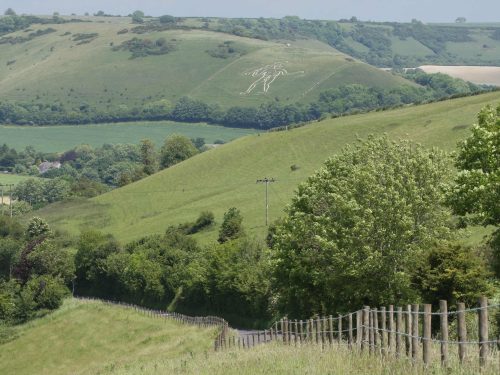
Inland, Dorset rolls and folds into chalk downs and vales, punctuated by ancient earthworks and Iron Age hillforts like Maiden Castle and Hambledon Hill. On a west-facing slope above Cerne Abbas stands the Cerne Abbas Giant — Britain’s largest chalk figure — a Scheduled Monument in the care of the National Trust. Whether you admire him from the viewing platform or tackle a circular walk for sweeping valley views, he’s a playful yet profound emblem of Dorset’s deep time and folklore.
These chalk landscapes are not only beautiful; they’re biodiversity powerhouses when managed as calcareous grassland, supporting specialised plants and butterflies. Walk any ridge on a bright summer day and the air seems to fizz with life.
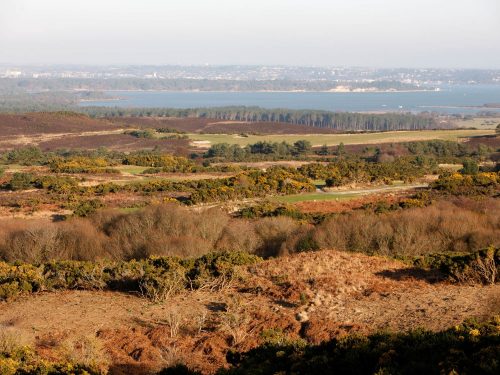
Slide south and east and chalk gives way to lowland heath — a habitat so rare that Dorset’s fragments are of international significance. The Dorset Heaths SAC/SPA complex supports all six native British reptiles, including two of the UK’s rarest: sand lizard and smooth snake. Birds like Dartford warbler, nightjar and woodlark thread the gorse and heather; dragonflies patrol the bog pools. These heathlands are one reason the Dorset national landscape matters far beyond county lines.
Protection here isn’t abstract: careful management of fire risk, invasive species and disturbance (especially to ground-nesting birds and basking reptiles) is what keeps these habitats thriving.
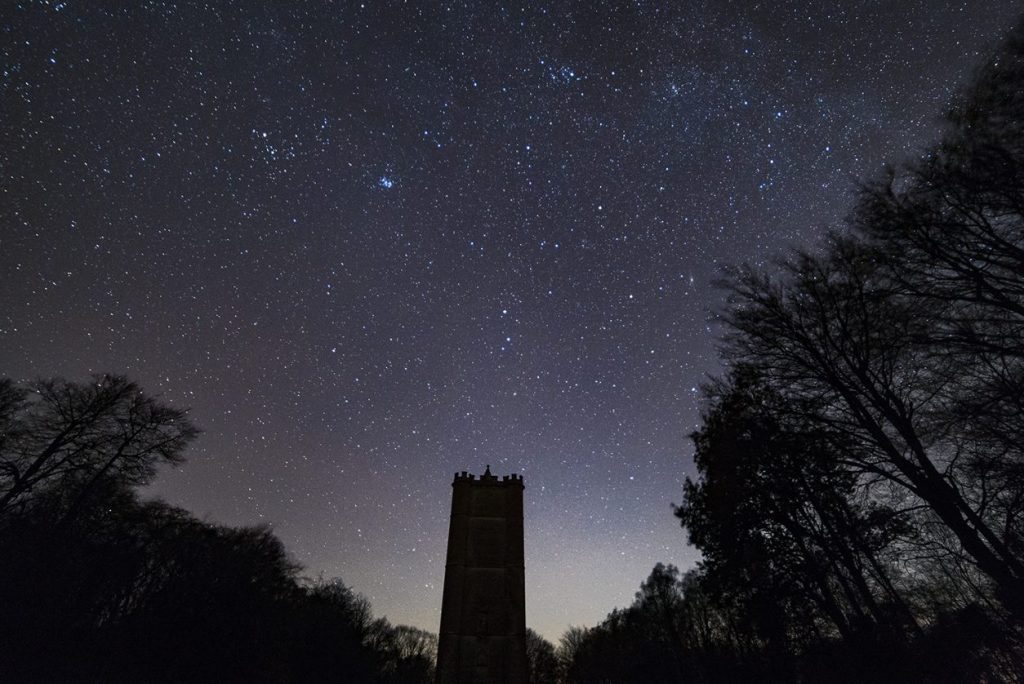
Head north-east into Cranborne Chase National Landscape and look up. In 2019 the area became the first entire National Landscape in the UK to be designated an International Dark Sky Reserve — at the time, one of just 14 in the world. That means genuinely dark, star-rich nights, active community engagement to reduce light pollution, and a calendar of stargazing events that make the cosmos feel close. It’s another facet of why “Dorset national landscape” resonates: beauty here continues after sunset.
More than 70% of the Dorset National Landscape is actively farmed and largely privately owned. Hedgerows, pastures, coppice woods, stone walls and historic field patterns are as much cultural artefacts as scenic features. The protected-landscape teams don’t “own” the scenery; they work with farmers, landowners and communities — through planning advice, grants, habitat restoration and access improvements — to keep what’s special, special.
The county’s environment isn’t just priceless; it’s economically important. Analyses of Dorset’s “environmental economy” suggest substantial local jobs and value linked to the landscape — from farming and fisheries to tourism, outdoor recreation and nature-based businesses.
You can boil it down to five interlocking reasons:
1) Global geology and coastline
The Jurassic Coast is of Outstanding Universal Value, telling a 185-million-year story through cliffs, coves and fossils you can see with your own eyes.
2) Mosaic of rare habitats
From chalk downland to lowland heath, ancient woodland, wet meadows, rivers and estuaries (hello, Poole Harbour), Dorset hosts a remarkably rich mix of habitats in a compact area, with designations that reach European level.
3) Biodiversity of national note
Heathlands that support sand lizard and smooth snake, breeding nightjars and Dartford warblers, and a county often lauded for the breadth of its wildlife — a direct result of that habitat diversity.
4) Cultural landscape & heritage
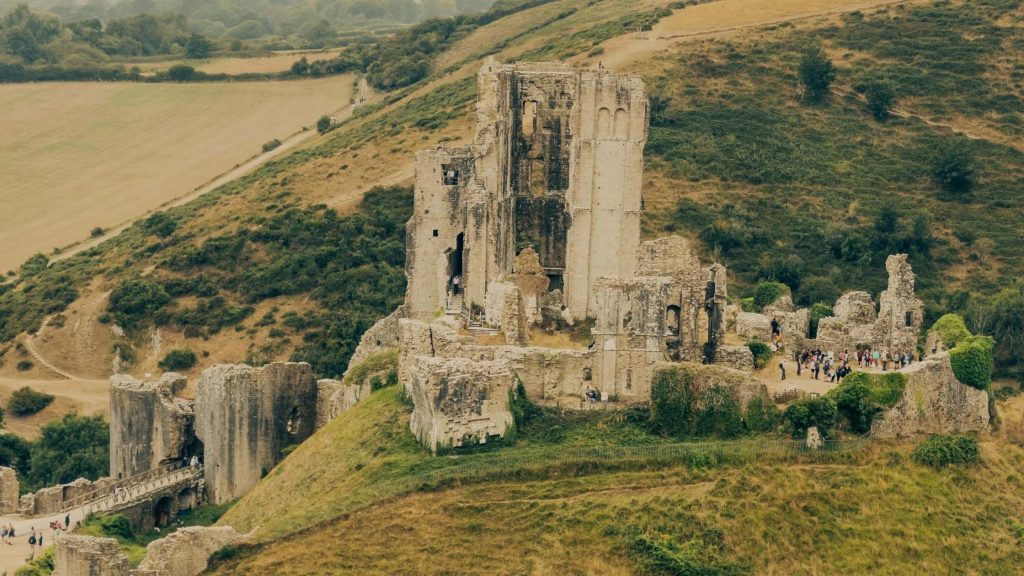
Iron Age hillforts, quarrying legacies, farmed downland, Purbeck stone villages, and icons like the Cerne Abbas Giant stitch human stories into the scenery.
5) Sheer extent and continuity
This isn’t a beauty spot; it’s a vast connected landscape — 1,129 km² in the Dorset National Landscape alone — with another National Landscape (Cranborne Chase) overlapping the county, meaning around half of Dorset is designated for its outstanding character.
Where to start? Here are classic gateways and themes to build an itinerary around:
Top tip: travel light on the land
Use existing paths, take litter home, keep dogs on leads near livestock and during ground-nesting season, and follow local signage on cliff safety and heath-fire risks. (Those risks are real — and the reason these places still teem with life.)
Yes. The protected area is the same; “National Landscape” is the newer public brand (legal designation remains AONB).
The Dorset National Landscape covers 43% of the county; Dorset also includes part of the Cranborne Chase National Landscape. Local sources often round up to about half of the county when considering both designations together.
No — but National Landscapes sit alongside National Parks in the UK’s “family” of protected landscapes and share similar aims around beauty, nature and access (with different governance models).
Follow the Countryside Code. Much land is privately owned (often farmland), with access via public rights of way, open access land and National Trust estates. Please stick to signed routes and seasonal notices.
You can stay right in the heart of the Dorset National Landscape in a handpicked holiday cottage that lets you fully immerse yourself in Dorset’s countryside, coastline and timeless villages.
At Dorset Cottage Holidays, we offer a wide range of self-catering cottages across the Dorset National Landscape – from cosy rural hideaways to larger homes perfect for walking holidays, family breaks and peaceful escapes.
Protecting a living, working landscape isn’t easy. The Dorset National Landscape Partnership and councils are grappling with climate change, nature loss, visitor pressure, and the need for affordable homes and rural livelihoods without eroding what makes Dorset special. Public consultations and management plans guide priorities — from restoring habitats and hedgerows to improving access and celebrating heritage — and your voice matters in those processes.
Call it Dorset AONB or Dorset national landscape — the name sits lightly on something far larger: a county-sized tapestry where rocks tell Earth’s story, chalk downs hold the horizon, heaths hum with rare life, and villages fold into the land as if they grew from it. It’s protected because it’s precious — to science, to wildlife, to culture and to all of us who breathe easier the moment those big skies open up.
See it. Love it. Leave it better. That’s the Dorset way.
Do you love Dorset as much as we do? Our newsletter brings you local events, must-see attractions and exclusive cottage offers, straight to your inbox.