 01929 481547
Explore
Corfe Castle Visitor & Travel Guide





Corfe Castle is one of Dorset’s most iconic villages. Famous for its dramatic ruins, scenic walks, historic railway and ancient castle. This guide covers the best things to do, walks, travel tips and local highlights for visitors.
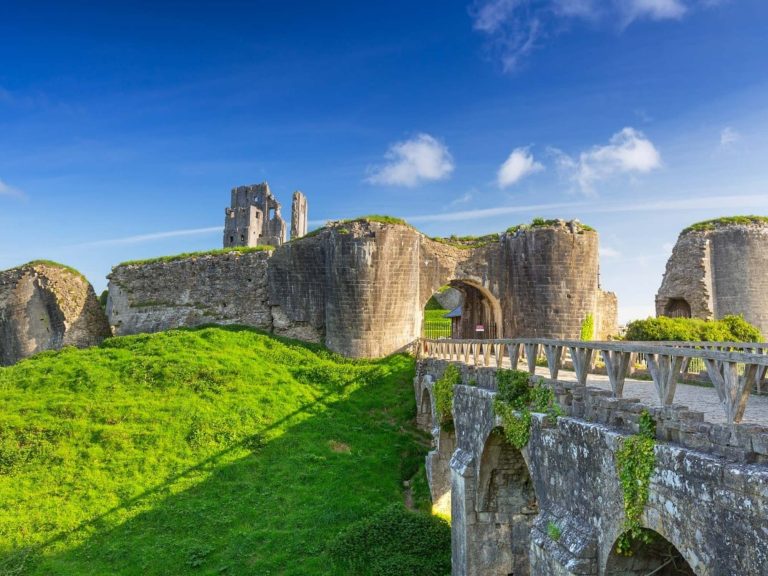
The castle is now managed by the National Trust and is accessed via The Square in the heart of the village. National Trust members can gain entry for free.
The castle is open all year apart from the 25th and 26th December from 10 am until 5pm (6pm in summer)
Last entry is 45 mins before closing.
Dogs in a lead are welcome
Toilets are available in the welcome centre, ticket office and in the tea rooms. Public toilets are also available in the public car park in West St.
You can buy tickets in advance from the National Trust website or from the ticket office on the day.
Adults £15.40
Child (5 – 17 years) £7.70 – children should be supervised on the uneven terrain.
Under 5’s – Free
Family Ticket £38.50
Please note that the climb to the castle is a little steep with uneven paths and steep slopes around the outside. Walking sticks are available to hire.
You can be dropped of in the village square, the castle entrance is just yards away.
In the National Trust Visitor Centre at the foot of the castle you will find accessible parking. You will also find an accessible toilet with an adult sized hoist, adult sized changing bench, peninsular toilet and heigh adjustable basin.
An additional accessible toilet is available at the ticket office.
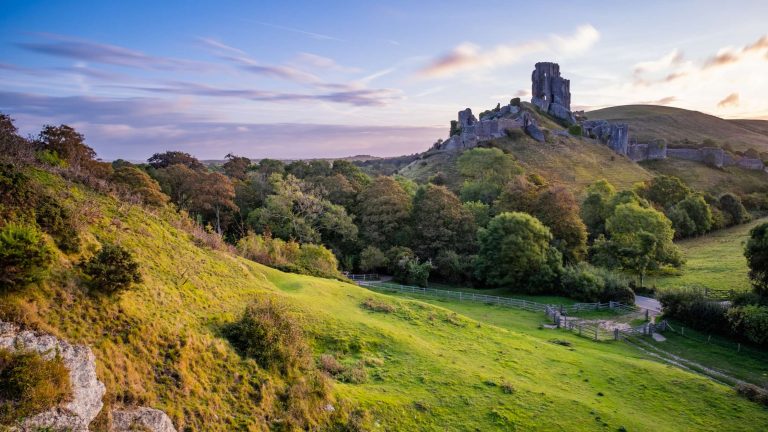
Corfe Castle, now a quintessential English village, can lay claim to a dramatic past. Site of a royal murder and a civil war siege, which leaves us with the National Trust owned ruins we see today. The ruins overlook a beautiful village, consisting of chocolate box Purbeck stone cottages. Surrounded by breath-taking countryside bordered by the Purbeck Hills, it is an exceptional place for views, walking, biking, photography and wildlife.
Corfe Castle is perhaps most famous as the setting of a royal murder. Elfrida invited the then king Edward to visit Corfe Castle when he was hunting nearby. As he approached the castle, she greeted him with a cup of mead and when he bent down to take it, her attendant stabbed him, his horse then bolted and King Edward became Edward the Martyr. Her son Ethelred became King but due to his age he was always known as Ethelred the Unready. Most modern visitors can overlook the castle bloody past, the ruins have recently polled as one of the most romantic ruins in England.
In AD 1090 following William’s conquest of Britain, the Corfe Norman Castle was begun. William’s son Henry I was crowned in 1100 and developed the castle keep and inner bailey. Henry left no legitimate male heir; his daughter Matilda claimed the throne, reinforced by an alliance with the House of Anjou through her husband Geoffrey Plantagenet. King Steven claimed the throne for the House of Blois and Civil War ensued. Corfe was besieged by Stephen, but Baldwin de Redvers held the castle for the Empress.
For the whole of the Medieval period, Corfe was a Royal Castle. Kings used it as one of the five royal castles. King John kept his crown jewels here. Edward II was imprisoned here. Much torturing and murder took place. Henry VII gave it to his mother but later it reverted to Henry VIII. Queen Elizabeth sold it to her Chancellor, Christopher Hatton, who fortified it further in readiness for the Spanish Armada.
The Hatton Family sold the castle to the Bankes family. Sir John Bankes was Lord Chief Justice to King Charles I. Civil war broke out and it was left to Lady Bankes (Brave Dame Mary) to defend the castle in 1643 and 1645 through two sieges. She was finally overcome by the treachery of one of her own officers, Colonel Pitman. Following an Act of Parliament, the Castle was then blown up from the inside by engineers.
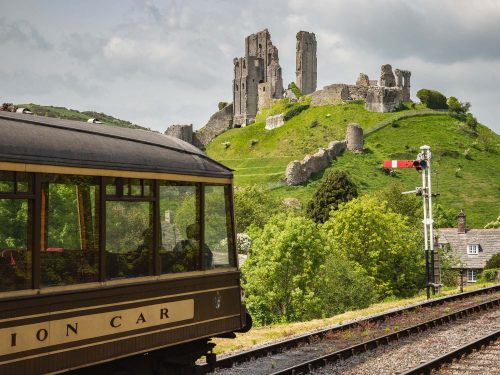
You can go back in time and enjoy a ride on the restored Swanage railway. Wait for the train on the restored Corfe Castle station, alight and travel through the Purbeck countryside with stops at Herston, Harmans Cross and onto the seaside town of Swanage.
The railway puts on a number of exciting events including Meet Thomas the Tank Engine, Santa Specials and travel on the Flying Scotsman. The Swanage Railway offers a more intensive heritage steam and diesel timetable train service than virtually any other preserved railway.
Steam and diesel galas, Family events plus regular Evening Dining and Sunday Lunch services complement themed events such as the highly popular Santa Special trains during the run up to Christmas.
The award-winning standard gauge preserved steam railway is located in Dorset with easy access from neighbouring Hampshire and the South of England. Visitors can experience a unique journey through six miles of beautiful scenery passing the magnificent ruins of Corfe Castle.
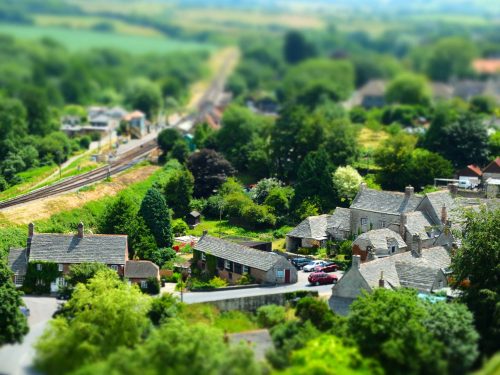
Opened in 1966 to the public, the Model Village depicts the Castle and village as it was in 1646. You can compare the real castle with the Model castle from our garden, this gives a fantastic idea of how it used to look when it was home to Lady Banks.
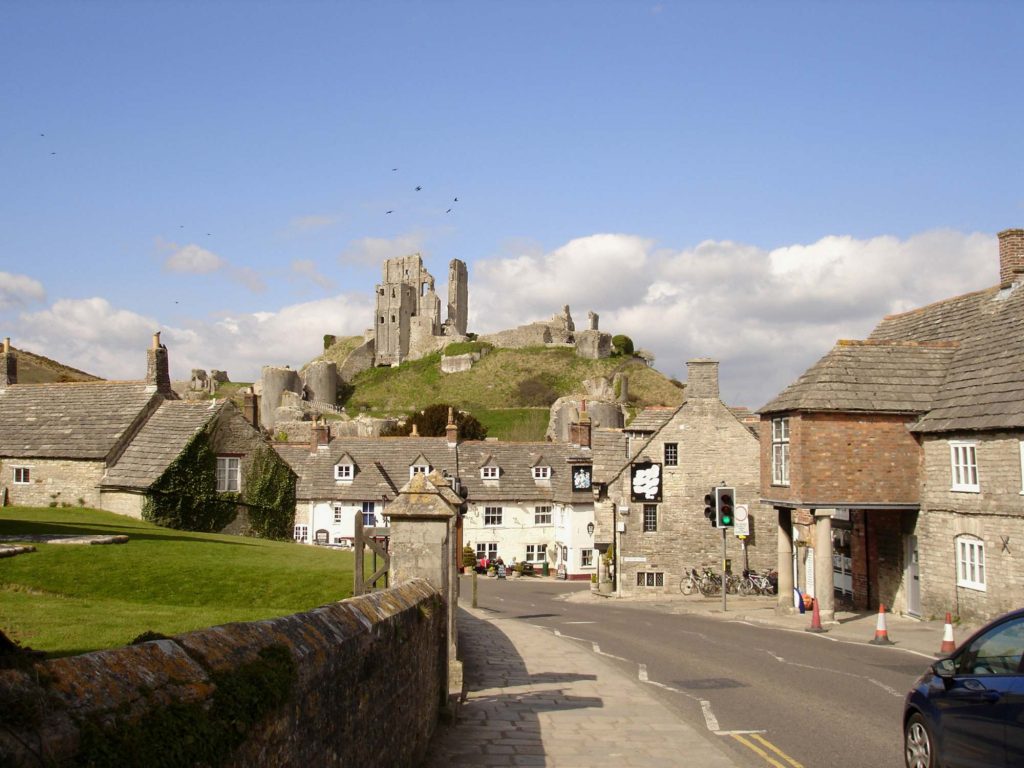
Evidence of a civilization dating back to 6000 BC exists on Corfe Common, on the southern edge of the village. Several barrows (burial mounds) dot the common, visible after leaving West Street. These people likely migrated from Europe across the “land bridge” that once included the Purbeck Hills.
Substantial evidence of Celtic and Roman settlements abounds, including a hoard of coins found on Corfe Common. A legend, later chronicled by Thomas Hardy, tells of an entire Roman legion vanishing in Purbeck, leaving only its ghost. However, a massive battle between Celts and Romans at Maiden Castle led to the Celts’ destruction.
Corfe Castle is a haven for nature lovers and walkers. A vast network of paths radiates from the village, allowing you to choose between a vigorous hike up the Purbeck Hills for spectacular views of the Corfe Valley, Brownsea Island, and Poole Harbour, or a more leisurely stroll to Church Knowle or across Corfe Common.
The village has a grocery store on East St near the village square. It has all you need for preparing light meals and essentials. Larger supermarkets are located in Swanage and Wareham.
There is a olde sweet shop in the village square, together with a large National Trust Shop, Ice Cream Parlour and Antiques Store.
As you walk from the square to the car park on West St you will pass an interesting curio shop (Seasons Green) and a newly opened deli/cafe.
You can easily travel to Corfe Castle by public transport or by car.
For those travelling by public transport – you can arrive at Wareham station which is on the line from London Waterloo or by coach. You then take the Purbeck Breezer Bus 40 to Corfe Castle with a stop outside the NT Visitor Centre and then another near the village school.
Corfe Castle is approximately 2.45 – 3.25 hours from London or Birmingham. Avoid arriving between 10 am and 1pm on sunny summer days or school holidays. It is best to leave before 2.30 pm or after 7pm to avoid the worst of the traffic during peak holiday season.
There are two main car parks in the village. The first is by the Visitor Centre (this often gets full by mid morning in the summer months) and another larger public car park on West St. Both car parks often get full in the summer months. Another option is to park at the Norden Park and Ride, which is part of the Swanage Steam Railway line. You can then either hire a bike or hop on for a short train ride into the village station.
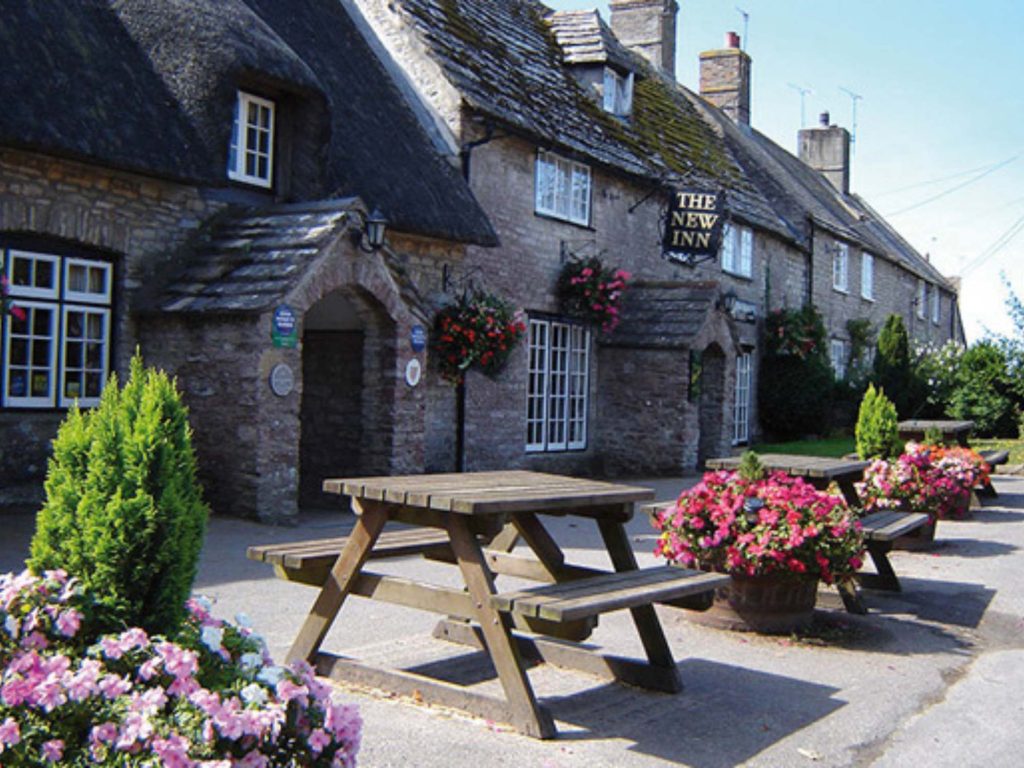
Church Knowle sits near Corfe Castle, easily accessible from there. Visitors can walk through farmland, crossing ancient stiles to reach the large village that the imposing castle ruins overlook. Alternatively, as the village lies at the foot of the Purbeck Hills, you can hike to the ghost village of Tyneham or to Creech, enjoying views of the Purbeck Peninsula and distant Brownsea Island.
The village, recorded in the Doomsday Book, boasts traditional Purbeck stone cottages lining the country road that passes through it. Church Knowle is home to both a delightful 17th-century pub (The New Inn, famous for its Blue Vinney Soup) and the Margaret Green Rescue Centre, which hosts various events yearly.
Church Knowle, a small village on the Isle of Purbeck in Dorset, England, hides historical treasures. Smedmore Hill shelters a well-preserved Iron Age or Romano-British settlement surrounded by fragmented “Celtic” fields. A mosaic pavement near East Creech hints at a Roman villa, and several sites reveal evidence of shale working.
Yes the castle itself is open to pets and is a good dog friendly option when the weather is too hot for the beach. There are some shady spots and pubs like The Greyhound welcome pets. You will need to keep your dog on a lead in the castle grounds as sheep often graze its slopes.
You will need to purchase tickets to go inside the castle. If you are a National Trust member entry is free.
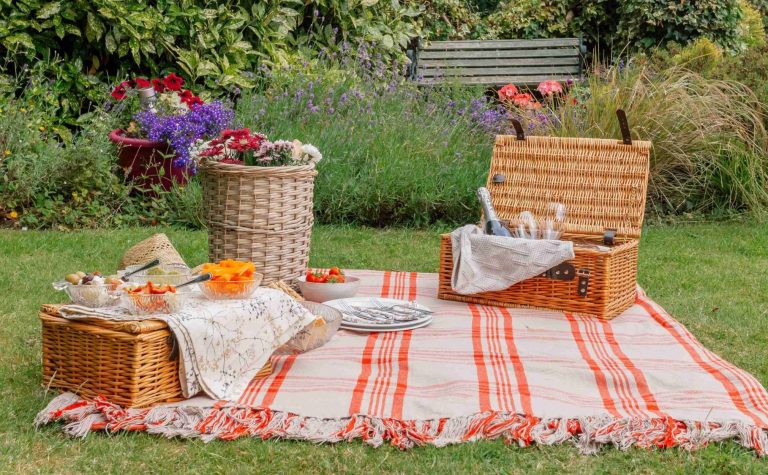
You will need at least an hour to explore the ruins. We highly recommend taking a picnic as there is plenty of green space.
The castle is often home to events such as Saxon Weekends where you can spend all day being entertained by re-enactments, crafts and stalls.
Yes its great for families with lots of space for children to play and roam. Smaller ones will need to be monitored as the paths are uneven and steep.
Swanage is just 5 miles from Corfe Castle, which is approximately 20 minutes in the car. Though you can take the steam railway directly from Corfe Castle into Swanage town centre. Studland beach is about the same distance. Other options include the RSPB nature reserve at Arne of the more jagged Purbeck coastline.
Do you love Dorset as much as we do? Our newsletter brings you local events, must-see attractions and exclusive cottage offers, straight to your inbox.